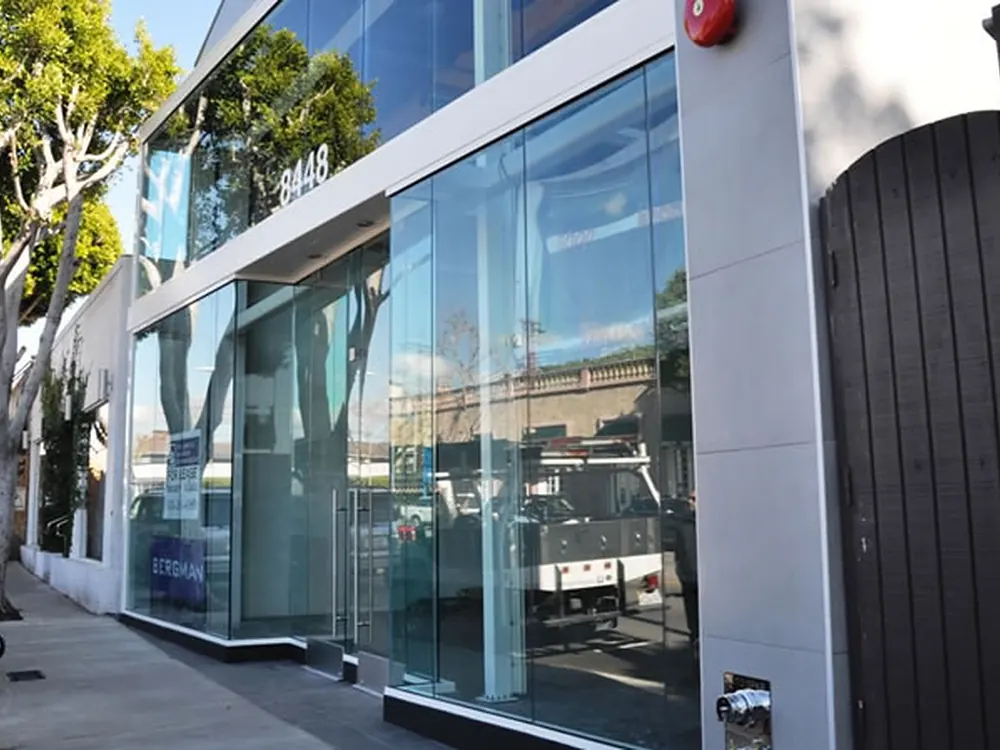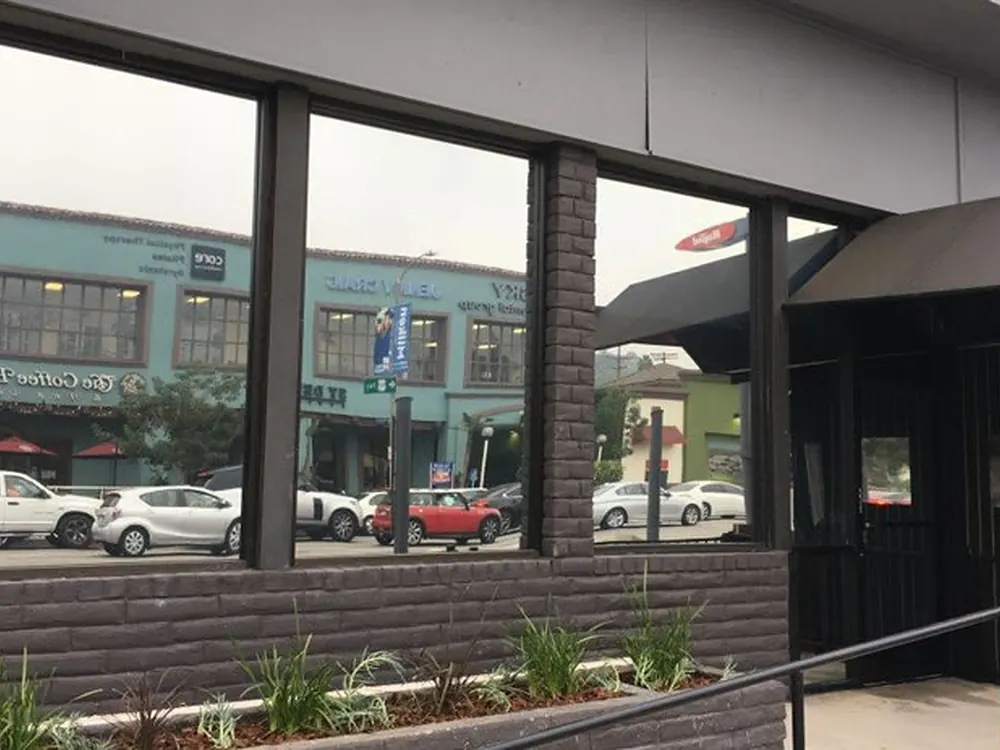
There's a counterintuitive rule in this trade that nobody advertises because it doesn't flatter new construction: the worse your existing windows are, the better window film performs. Which makes the older commercial stock across this valley about the best candidate for a solar film retrofit that we encounter.
Where the cooling load comes from
Where a building carries a lot of glass, what arrives through the windows is among the biggest single drivers of cooling demand. Sun lands on the pane, the energy passes inside, and the plant spends the afternoon pulling out heat that walked in unbilled.
The governing figure is the solar heat gain coefficient — the fraction of solar energy that gets through the glass. Clear single-pane sits around 0.8, meaning roughly 80% comes straight in. A modern high-performance unit can be less than half that. A well-specified solar control film pulls the number down substantially without touching the glazing itself.
Why the starting point decides the return
Film improves on what the glass already does, so the available benefit is whatever performance hasn't already been captured. On a modern low-E curtain wall, most of it has been — the glazing is already doing the work, and film adds a real but modest increment.
On clear single-pane or early bronze-tinted plate, essentially all of it is still on the table. That's why the same product produces a modest improvement in a new building and a transformative one in a seventies office front — and why a percentage saving quoted from a brochure is meaningless until someone has looked at your actual glass.
Getting a number you can trust
Any percentage offered before someone has walked your building is a guess. A proposal worth reading shows its working:
- Glass area recorded per elevation, with aspect and existing construction noted.
- Maker's solar heat gain, light transmission, and infrared figures for the precise product proposed.
- Solar heat gain modelled before and after against the glass you actually have.
- A thermal stress result clearing that product for your particular units.
That last one matters most on the bronze and grey body-tinted glass this valley is full of. Tinted glass already absorbs a lot of solar energy and runs hot by design; an absorptive film on top of it is the most reliable way to crack a pane and void a glazing warranty in a single step.
The local economics
The climate here is close to ideal for the case. A long, hot, dry cooling season, high commercial rates, and essentially no winter heating load to give back — which is the trade-off that undermines solar film in colder regions, where rejecting useful winter gain increases heating demand.
Add that film installs from the interior, overnight, with no scaffolding, no permits, and no tenant relocation, and the disruption cost rounds to zero. Payback on the elevations that actually matter commonly lands inside a few years.
When replacement is the better answer
We'd rather be straight about this. If your glazing has failed seals, fogged units, or frames that no longer seal against air infiltration, film addresses none of that — and infiltration can be a larger energy problem than solar gain. In that situation replacement solves the whole set of issues and film is a marginal addition.
Film is the right call when the glazing is sound but poorly performing, which describes a great deal of this valley's older commercial stock. If you want an assessment with real numbers on your glazing rather than a percentage from a brochure, get in touch and we'll survey the building at no cost.