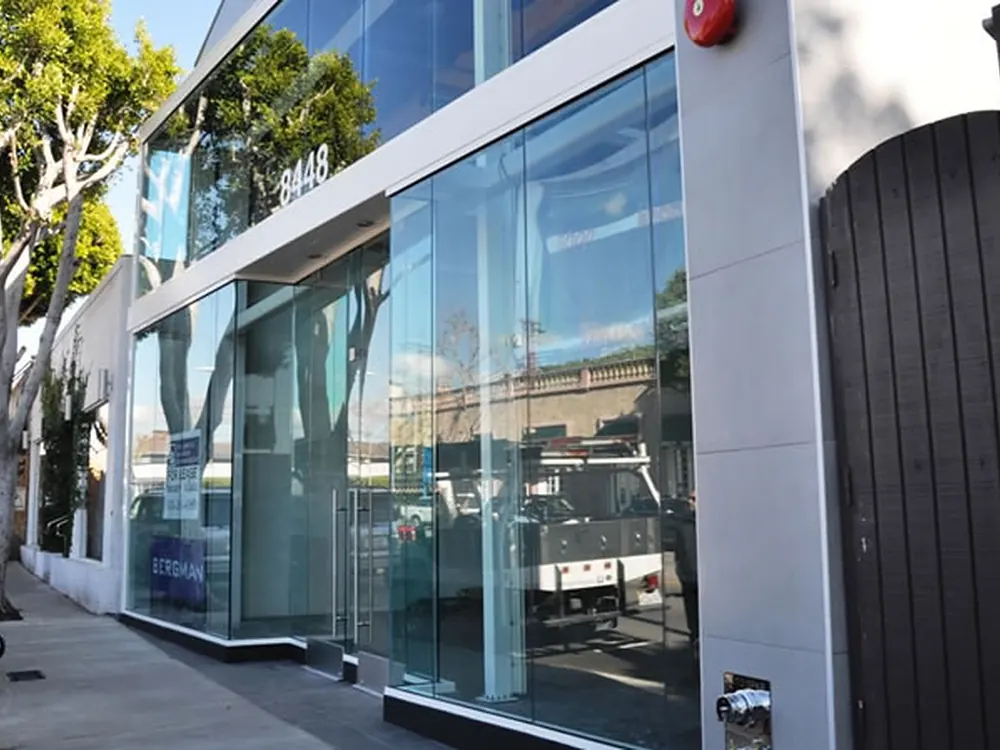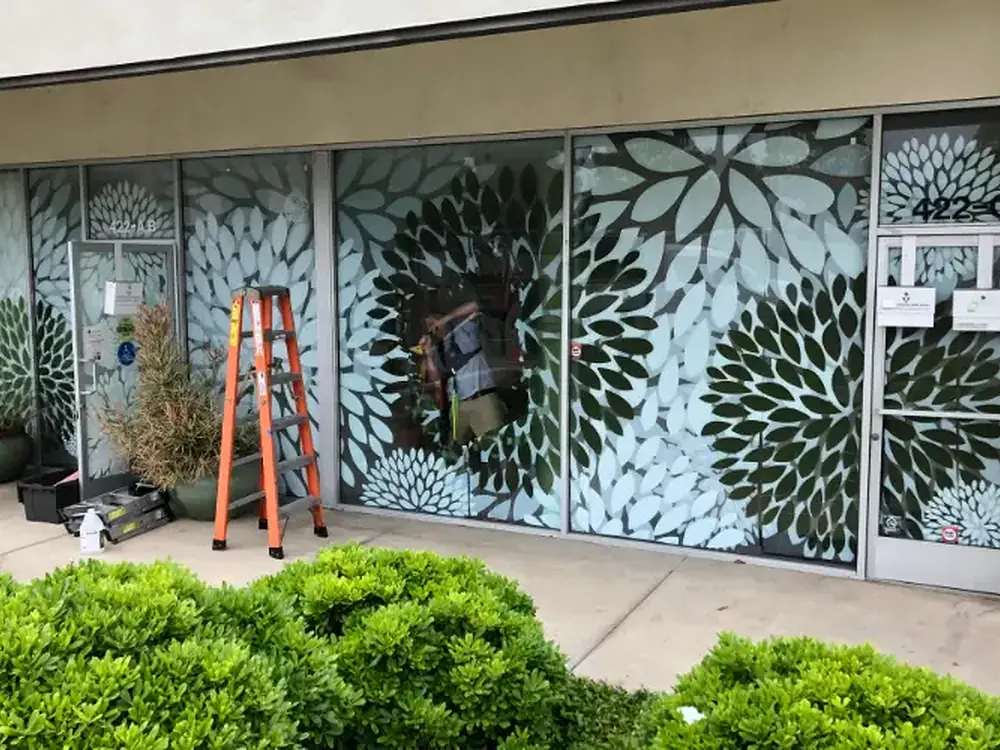
This valley remembers what a fast-moving fire looks like, and the question comes up on most assessments we do here. It deserves a straight answer rather than a sales one. Window film is not a fire-rated product. It will not make your glass fire-resistant, and any company implying otherwise is telling you something untrue about a subject where being wrong is dangerous. Here is what is actually the case.
How windows fail in a fire
Homes are frequently lost in wildfire without any direct flame contact. A major mechanism is radiant heat and ember intrusion: intense heat from burning fuel nearby raises the glass temperature unevenly, the pane cracks and falls out, and the now-open window admits embers into the interior where they find curtains, furnishings, and everything else.
This is why glazing features so prominently in wildfire building standards. California's Chapter 7A requirements for high fire hazard severity zones call for tempered glass or multi-pane assemblies on exterior windows, precisely because ordinary annealed single-pane glass fails early under these conditions.
Where film genuinely contributes
Security film's actual function is holding broken glass together. In a fire scenario, a pane that cracks under radiant heat but stays in the frame longer is a pane that hasn't yet become an opening — and when ember exposure is measured in minutes, the difference between a window failing early and failing late is not nothing.
That's a real benefit. It is also partial and secondary, and it degrades as temperature rises — the polyester and the adhesive have limits well below what a serious fire front produces. Treat it as a marginal improvement to a window's survival time, not as protection.
What matters considerably more
If fire is genuinely what's driving this, here is roughly where the money does most good — and film sits well down the list:
- Defensible space — clearing vegetation and combustible material in the zones nearest the structure.
- Ember-resistant vents, among the most common intrusion routes and among the cheapest to address.
- Roof and gutter maintenance, since accumulated debris is an ignition point directly on the building.
- Tempered or multi-pane units on the exposed elevations, as Chapter 7A requires where it applies.
- Non-combustible siding, decking, and fencing on the exposures facing the fuel.
If someone quotes you window film as a wildfire measure before asking about your vents or your clearance, they are not advising you well. We would rather send you to a defensible-space assessment than sell you the wrong product.
The single-pane complication
There's a specific issue for this valley worth naming. A lot of homes here still have original single-pane glazing, which is the most vulnerable configuration in a fire and the one Chapter 7A exists to move people away from.
Applying film to that glass does not bring it up to standard, and it shouldn't be understood as an alternative to replacement on an exposed elevation. If your home sits in a high fire hazard severity zone with original single-pane windows facing open fuel, the honest recommendation is replacement glazing — and we'll tell you that even though it means we don't do the work.
The reasons we do install security film here
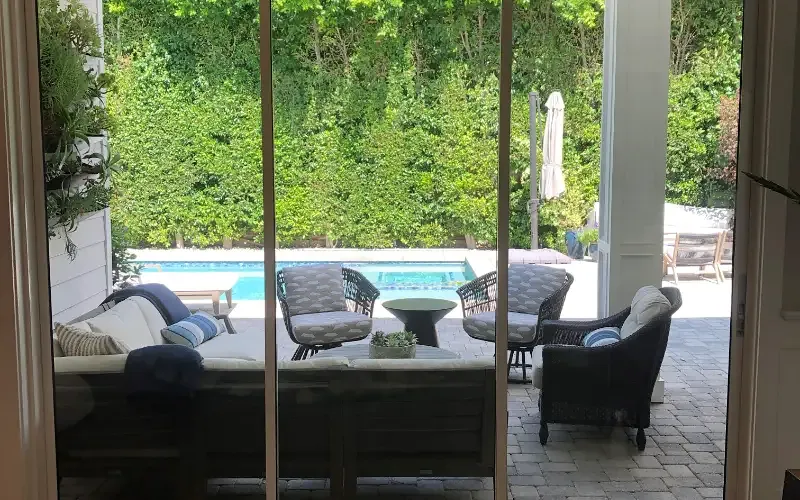
None of this makes the product pointless — the honest reasons are simply different from the ones it sometimes gets sold on. Security film delivers genuine forced-entry delay on the wide sliders and concealed rear glass typical of these homes, seismic glass containment, and 99% UV rejection.
Three solid benefits from one clear laminate that changes nothing about how the house looks. That's a good product. It just isn't a fire product. If you'd like an assessment where we tell you plainly which windows need what, get in touch.